The Legal Side of Drone Services: What You Need to Know
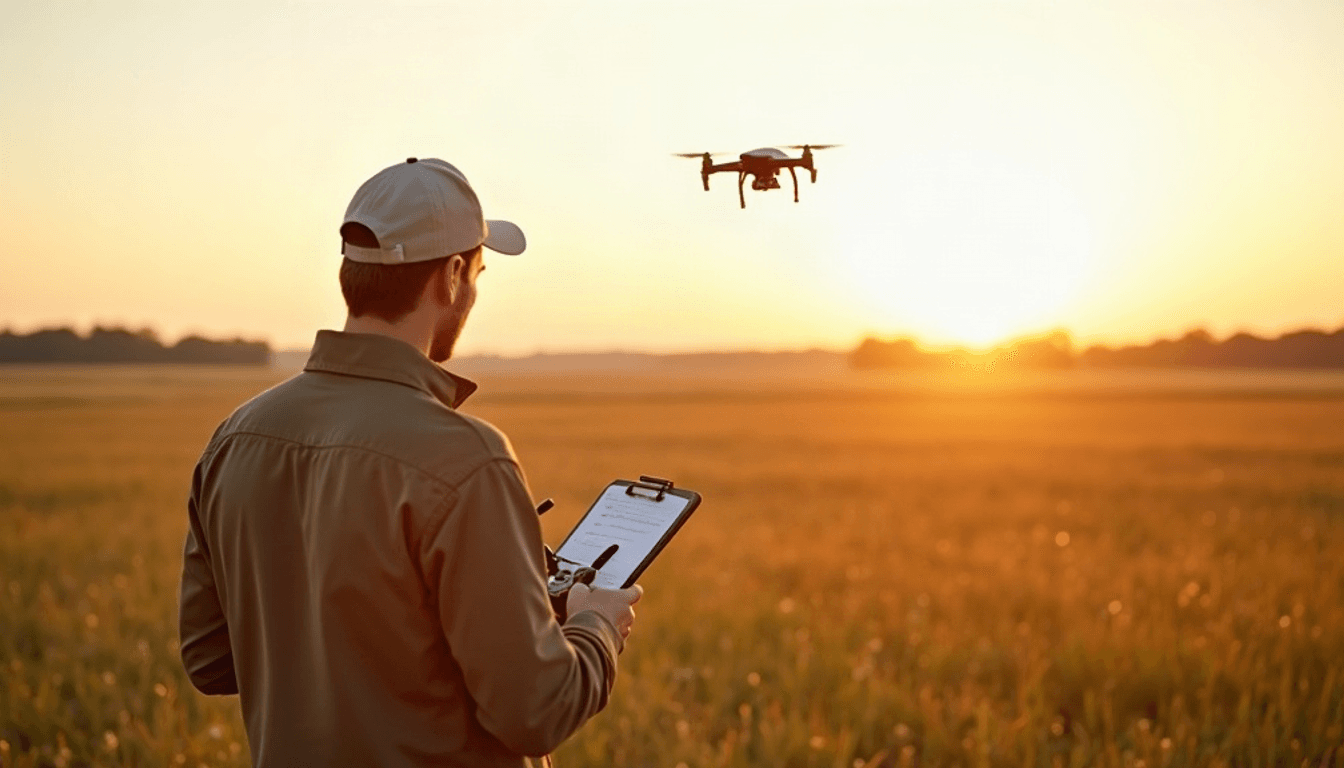
Thinking about using drones for your business? Aerial photos and video can make a real estate listing, a construction progress report, or a roofing inspection look a lot more professional. Before you launch one, though, there is a legal side worth understanding. The rules are not complicated once you know them, but ignoring them can cost you money and credibility.
Here is a plain-English rundown of what matters most, whether you plan to fly yourself or hire someone to fly for you.
FAA Part 107 Certification
If a drone flight supports a business in any way, the FAA treats it as a commercial operation. That includes taking photos for your own listings, shooting a promo video for your shop, or inspecting your own property for work purposes. Commercial use requires a remote pilot who holds an FAA Part 107 certificate. There is no exception for small jobs, one-time flights, or flying over your own land.
Earning the certificate means passing the FAA's aeronautical knowledge test at an approved testing center. The test covers airspace classes, weather, reading sectional charts, aircraft loading, emergency procedures, and the operating rules themselves. Pilots also need to complete free online recurrent training every 24 calendar months to keep the certificate current.
Part 107 also sets the basic operating limits for commercial flights. A few of the ones that come up most often:
- The drone must weigh less than 55 pounds at takeoff.
- Flights normally stay at or below 400 feet above ground level.
- The pilot must keep the aircraft within visual line of sight.
- Flying over people or moving vehicles has specific requirements based on the drone's category.
- Night flights are allowed, but the drone needs anti-collision lighting and the pilot needs the current training.
If you hire a drone operator, ask to see their certificate. A legitimate pilot will be glad to show it. If someone shrugs off the question, that is your answer.
Airspace Restrictions
Not all sky is open sky. Airspace around airports is classified, and some of it requires authorization before a drone can fly there. Here in central Indiana, more ground than you might expect sits under controlled airspace tied to airports in the region, so a job site that looks perfectly rural can still need clearance.
The good news is that getting authorization is usually quick. The FAA's LAANC system lets certified pilots request access to controlled airspace through an app, often with approval in near real time. Pilots can also request more involved authorizations directly from the FAA when a job needs higher altitudes or a location that LAANC does not cover.
Temporary flight restrictions (TFRs) are the other thing to watch. These pop up around large sporting events, VIP movements, wildfires, and other situations where the FAA needs to clear the airspace. They are temporary, but violating one is treated seriously. A responsible pilot checks for TFRs and other notices before every flight, not just the first one at a new location.
Beyond FAA airspace, pay attention to local rules. Some parks, event venues, and municipalities have their own policies about where a drone can take off and land. Those rules do not control the airspace itself, but they can control the ground you are standing on.
Privacy Concerns
A camera at 300 feet sees a lot. Neighbors' backyards, people on a patio, cars in a driveway. Nobody expects a drone overhead, and a flight that feels harmless to you can feel invasive to someone else.
Privacy laws apply to drone footage the same way they apply to any other camera. Recording people where they have a reasonable expectation of privacy can create legal exposure, and so can publishing footage that identifies people without their knowledge. Some states and cities have passed drone-specific rules on top of that, so it is worth knowing what applies where you fly.
A few practical habits go a long way:
- Plan your shots so the subject is your property or project, not the surrounding homes.
- Let neighbors know when you plan to fly, especially for longer shoots.
- Avoid lingering over areas that are not part of the job.
- Review footage before publishing and crop or blur anything that captures people who did not agree to be filmed.
Most privacy problems come from carelessness, not bad intent. A little planning keeps your marketing footage from turning into a complaint.
Insurance Is a Must
Drones fail. Batteries die, GPS drops, a gust of wind pushes an aircraft into a roofline or a parked truck. When that happens, someone pays for the damage, and you want that someone to be an insurance company.
Liability coverage protects you if a drone injures a person or damages property. Hull coverage protects the aircraft itself. Many standard business policies exclude or limit aircraft operations, so do not assume you are covered. Ask your agent directly, and if the answer is no, look at a dedicated drone policy or an on-demand option that covers individual flights.
If you hire a drone company, ask for a certificate of insurance before the shoot. Many commercial clients, especially in construction and property management, require it anyway. A pilot who cannot produce one is a pilot you should not put on your job site.
Stay Updated on Regulations
Drone rules do not sit still. The FAA has updated Part 107 several times since it was introduced, and the biggest recent change is Remote ID. Since early 2024, the FAA has been enforcing the requirement that drones flying under Part 107 broadcast identification and location information, either through built-in hardware or an add-on module. Flying a non-compliant aircraft can mean penalties even if everything else about the flight is by the book.
Other areas that have changed or are likely to change include rules for flying over people, operations at night, and flights beyond visual line of sight. Local governments also keep adding their own ordinances.
The simplest way to stay current is to work with a pilot who treats this as part of the job. Recurrent training, FAA notices, and manufacturer firmware updates all matter. If you are flying yourself, build a habit of checking the FAA's drone pages every few months and before any job that feels different from your usual work.
Flying the Right Way
None of this should scare you off. Drones are one of the best tools available for showing off a property, documenting a project, or giving customers a view they cannot get any other way. The legal side is simply the cost of doing it well.
Leucocholy Media provides Part 107 drone services for businesses in Pendleton and across central Indiana. Our pilots are FAA certified, insured, and current on airspace and Remote ID requirements, so you get great footage without taking on the risk. Take a look at our services, or reach out and let's talk about what you need captured from the air.