5 Ways Drone Photography Can Give You a Competitive Edge
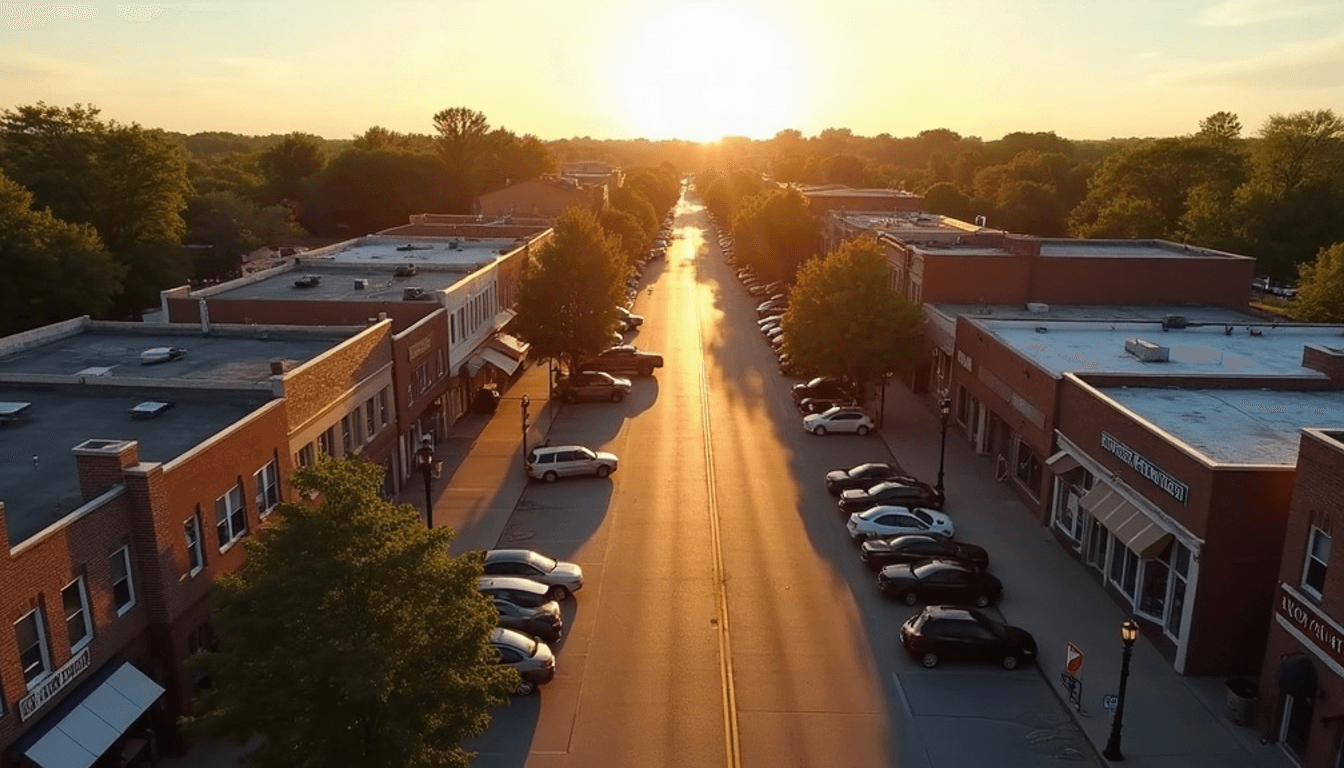
Drone photography used to belong to real estate listings and wedding videos. That has changed. Cameras have gotten better, aircraft have gotten smaller, and the cost of hiring a licensed pilot has come down far enough that most small businesses can fit it into a marketing budget. Contractors, farms, restaurants, event venues, and manufacturers can now show their work from a perspective their competitors simply don't have.
If you've been wondering whether aerial imagery is worth the investment for your business, here are five concrete ways it can give you an advantage.
1. A Unique Visual Perspective
Most of the photos your customers see of your business were taken from eye level, standing on the ground. So were your competitors' photos. A drone breaks that pattern immediately. It can hover just above a rooftop, climb a few hundred feet to show your entire property, or glide slowly over a job site to reveal scale and context no handheld camera can capture.
Think about what that means for different kinds of businesses:
- Contractors and roofers can show a finished roof, a new addition, or a completed commercial build in one clean shot instead of a dozen awkward ground-level photos.
- Farms and agricultural operations can show the full extent of their fields, barns, and equipment, which tells a much bigger story than a photo of a single tractor.
- Venues and campgrounds can give prospective guests a true sense of the layout, the surroundings, and how much space is actually available.
- Retail and hospitality businesses can show how easy they are to find, where to park, and what the neighborhood looks like.
The result is imagery that looks intentional and stands out because most people haven't seen your business from that angle before.
2. Increased Engagement
Social media feeds are crowded, and most of what people scroll past looks the same. Aerial footage looks different. A smooth reveal shot over a property, a slow orbit around a building, or a top-down view of a busy event is unusual enough that people pause, watch, and often share.
That matters because the platforms generally reward attention. When a post holds viewers longer or earns more shares and comments, it tends to be shown to more people. Short vertical drone clips work well for Reels, TikTok, and YouTube Shorts, while a single striking aerial still can anchor a Facebook or LinkedIn post that would otherwise get skipped.
A few ways to use aerial content on social:
- A before-and-after sequence of a completed project, shot from the same altitude and angle.
- A quick flyover of your location with a simple caption inviting people to visit.
- Seasonal shots of your property that give you fresh content throughout the year without reshooting everything.
A single well-planned drone session can produce enough stills and clips to feed your social channels for months.
3. Better Storytelling
Good marketing tells a story, and drone video is one of the best storytelling tools available to a small business. A wide aerial opening shot establishes where you are and what you do. A descending move brings the viewer in closer. A slow pass over a project in progress shows the scope of the work. Add a few ground-level clips and a short voiceover, and that footage becomes a company overview, a project recap, or an event highlight reel.
Here are some stories drone footage tells particularly well:
- Your process. Show a project from empty lot to finished building, or from planting to harvest.
- Your event. Capture the crowd, the layout, and the energy of a festival, fundraiser, race, or grand opening in a way that attendees will want to share and sponsors will want to see.
- Your place in the community. A flyover that connects your business to the landmarks and neighborhoods around it reinforces that you're local and established.
Video also works harder than text. Many visitors won't read a long "About Us" page, but they will watch a ninety-second video. If you're in a business where trust matters, and most are, that visual proof goes a long way.
4. Enhanced Marketing Materials
Aerial imagery improves nearly every piece of marketing you produce. A high-resolution drone photo makes a strong hero image for your homepage. It gives your Google Business Profile something more compelling than a storefront snapshot. It fills the cover of a brochure, the backdrop of a trade show banner, or the top of a proposal document.
Consider where a single great aerial shot can be reused:
- Website headers and service pages
- Google Business Profile and online directories
- Print brochures, postcards, and mailers
- Digital ads on Facebook, Instagram, and the Google Display Network
- Proposals, bids, and sales presentations
- Email newsletters and signature banners
Because the content is distinctive, it also strengthens your brand. When the same confident aerial imagery ties together your website, your Facebook page, and your mailers, your business reads as more established. Larger competitors spend real money on that kind of consistency, and drone imagery makes it achievable on a small-business budget. If you're planning a site refresh, aerial photography and web design pair naturally, since the images can be captured with the final layout in mind.
5. A Cost-Effective Solution
Not long ago, getting an aerial shot of your business meant renting a helicopter or small plane and paying for a photographer, fuel, insurance, and flight time. That put aerial imagery out of reach for almost everyone except large developers and national brands.
Today a licensed drone pilot can capture sharp, steady footage in a fraction of the time and at a fraction of the cost. A typical session often takes an hour or two on site, and you walk away with high-resolution stills and 4K video you can reuse for years. Just make sure the agreement spells out your usage rights up front. Compared to a single print ad or a month of paid social, a drone shoot is often one of the more affordable marketing investments a business can make, and one of the longest lasting.
A few things to keep in mind when hiring someone:
- Licensing matters. Flying a drone for business purposes in the United States requires a Remote Pilot Certificate under the FAA's Part 107 rules. A certified pilot understands airspace restrictions, the 400-foot altitude limit, line-of-sight requirements, and when a flight needs authorization. That protects you as much as it protects them.
- Insurance matters. Ask whether the operator carries liability coverage for drone operations.
- Planning matters. The best results come from a short conversation beforehand about what you want to show, what time of day gives the best light, and how the footage will be used.
Ready to See Your Business From Above?
Drone photography gives you angles your competitors don't have, content that tends to perform better online, stories that are easier to tell, marketing materials that look more polished, and all of it at a cost that fits a small-business budget. If you're in the Pendleton area and want to find out what an aerial shoot could do for your business, reach out to us. We're happy to talk through ideas, answer questions, and put together a plan that fits what you're trying to accomplish.